Reverse Engineering ChatGPT: The Product Decisions Behind the World's Most Successful AI Assistant
ChatGPT didn't become one of the fastest-growing products in history because of AI alone. It won by removing friction, simplifying complexity, and delivering value in seconds.
Team Ktisis
Product engineers, New Delhi
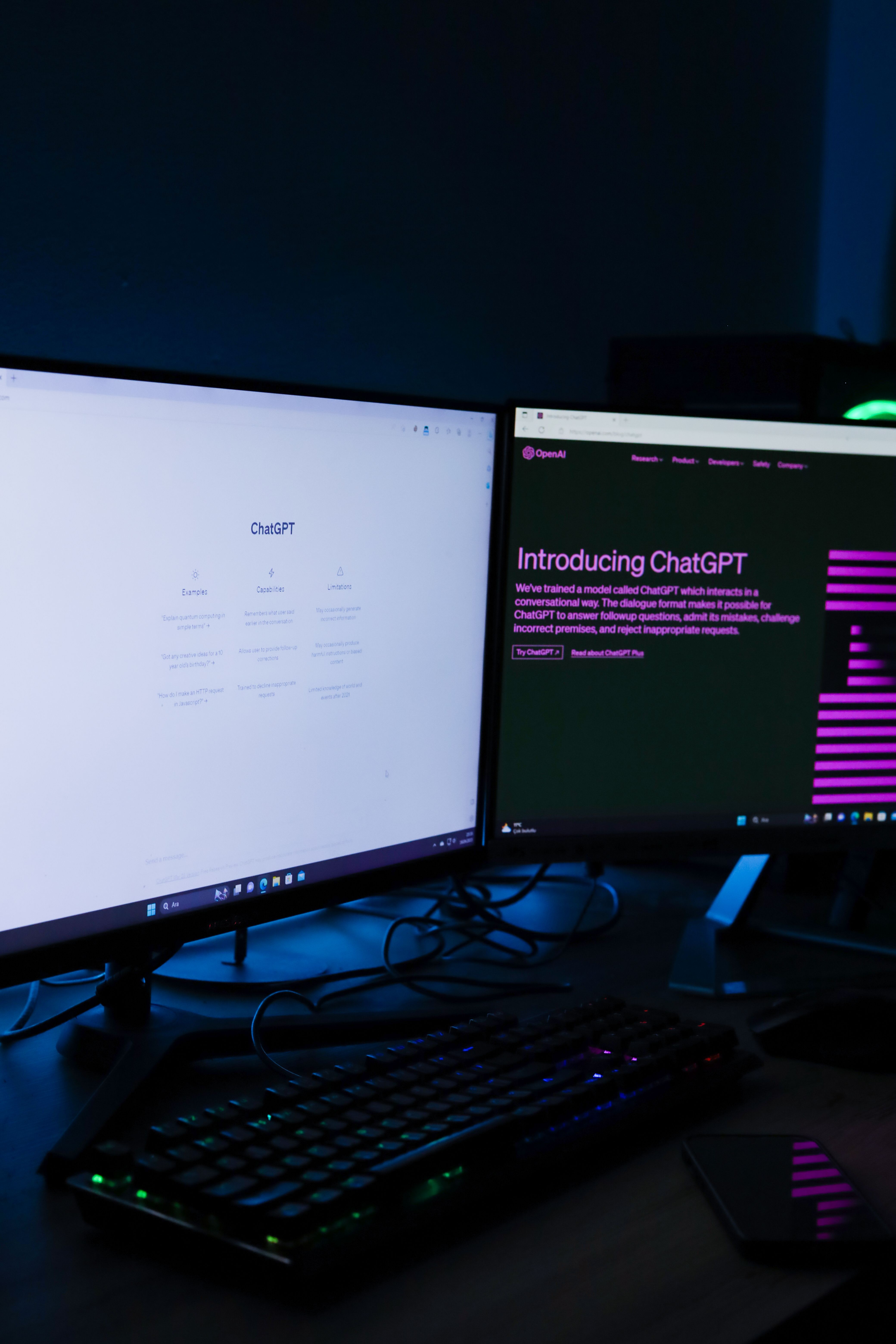
This is the first article in our Reverse Engineering Great Products series, where we examine the strategic decisions, UX architecture, and business models behind modern software giants.
Every breakout product leaves behind distinct clues. Beyond beautiful user interfaces lie strategic positioning choices, friction-free onboarding mechanisms, and core assumptions made well before the market catches on. For our first analysis, we dissect ChatGPT.
Most observers credit ChatGPT's meteoric growth solely to underlying model capabilities. However, while advanced AI generated initial curiosity, world-class product design drove long-term retention. Millions try AI tools, but very few incorporate them into daily habits. The distinction lies in product experience.
The Goal of Onboarding Isn't Education
The first strategic lesson appears before the user sends a single message. Most founders mistakenly assume onboarding exists to educate users on product features. In reality, users do not sign up to learn an interface—they sign up to achieve an outcome. Superior onboarding minimizes the time between account creation and the first moment of realized value.
ChatGPT exemplifies this philosophy. It omits complex feature tours, video tutorials, and technical explanations. Instead, it greets users with a single, clear prompt: "What can I help with?" This simple question shifts user focus from navigating software to solving their immediate problem.
Simplicity Is a Competitive Advantage
The primary screen is intentionally minimalist: a search input, subtle prompt suggestions, and zero visual clutter. This simplicity is not an absence of features; it is the result of rigorous design restraint.
Under the hood, ChatGPT supports multimodal inputs, web search, custom GPTs, code execution, file analysis, and dynamic canvas views. Yet none of these complex tools compete for attention during the user's initial interaction. The product reveals complexity gradually as the user's needs evolve, preventing cognitive overload.
Every Interaction Is Part of Onboarding
- Standard SaaS platforms rely on modal popups and tooltip tours to teach functionality. ChatGPT teaches organically through interaction:
- Every prompt refines the user's ability to instruct the model.
- Every detailed response expands understanding of system capabilities.
- Every conversational follow-up demonstrates context retention.
Users develop proficiency simply by using the product. Onboarding becomes a continuous, natural learning loop rather than an upfront barrier.
Flexibility Becomes the Core Value Proposition
- Traditional software enforces rigid, pre-defined user flows. ChatGPT adapts dynamically to the user's domain:
- Engineers use it for refactoring code and debugging stack traces.
- Founders leverage it for market research and strategic planning.
- Marketers draft campaigns and refine brand messaging.
- Students break down complex theoretical concepts.
The exact same interface accommodates vastly different workflows because structure is created through natural conversation rather than static UI menus.
The Business Model Follows Habits
ChatGPT's monetization strategy aligns seamlessly with its user experience. The free tier delivers immediate value, allowing the product to become embedded in daily routines. The premium subscription unlocks higher usage limits and state-of-the-art models for power users who rely on the tool professionally.
Upgrade triggers are driven by genuine user habit rather than aggressive paywalls. When software becomes indispensable to daily output, upgrading feels like a logical investment rather than a forced upsell.
If We Were Building It Today
- Even exemplary products offer opportunities for strategic iteration:
- Intent-Based Personas: Customizing initial suggestion cards based on user role (e.g., Founder, Engineer, Researcher) to accelerate initial value.
- Outcome Templates: Providing structured entry points like "Build an MVP Plan" or "Audit Security Vulnerabilities" alongside open chat.
- Progressive Feature Discovery: Contextually surfacing tools like Canvas or Deep Research when conversations reach high complexity.
- Outcome-Oriented Metrics: Measuring success based on completed user tasks rather than simple session length.
Final Thoughts
The fundamental takeaway from ChatGPT extends far beyond artificial intelligence: great products win by eliminating friction and empowering user success instantly. Technology attracts attention, but thoughtful experience builds lasting retention.
At KtisisLabs, we study these foundational product decisions to apply battle-tested design and engineering principles to the software we build alongside visionary founders.
Related Insights
View AllKtisisLabs: Your Product Engineering Partner
Build your startup product without building an extensive engineering team — product strategy, technical leadership, and lean senior engineering focused on business outcomes.
Read Artificial IntelligenceIndia’s AI Renaissance: Building the Future at Scale
How India is rapidly emerging as a global AI powerhouse through innovation, infrastructure, and ambitious startups.
Read