Reverse Engineering Duolingo: The Product Decisions Behind the World's Most Successful Learning Platform
Duolingo didn't become the world's most popular language-learning platform by teaching languages. It won by making one of the hardest habits in the world feel remarkably simple.
Team Ktisis
Product engineers, New Delhi
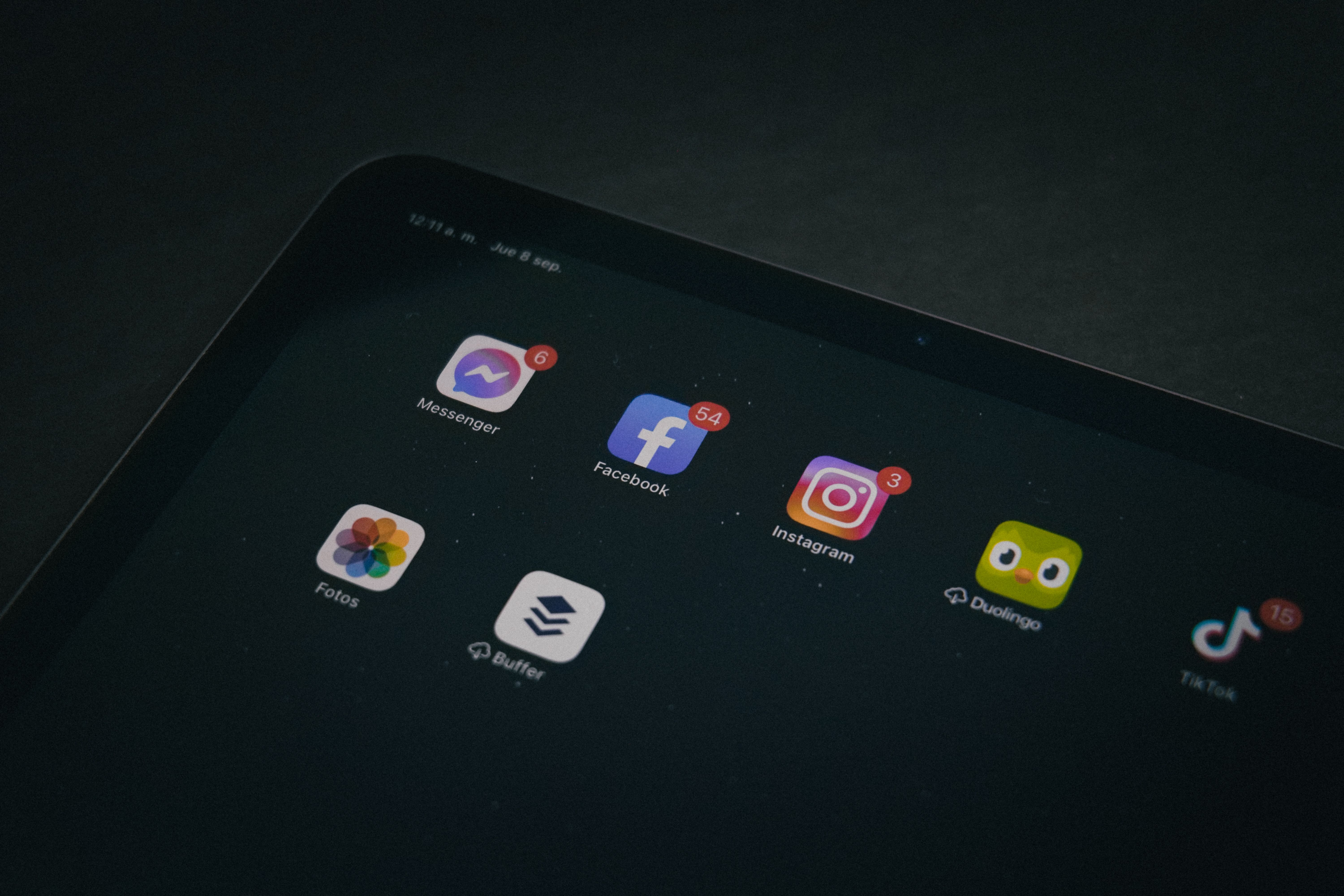
This is the sixth article in our Reverse Engineering Great Products series, analyzing the product decisions behind one of the world's most successful consumer applications.
Every founder wants users to keep coming back.
Very few understand why they actually do.
Most products compete by adding more features, more content, and more functionality. Duolingo became one of the world's most successful consumer products by focusing on something far more fundamental.
It made one of the hardest things people attempt—learning a new language—feel approachable.
That difference is why millions of people return to the app every day, not because someone forces them to learn, but because the experience makes taking the next step feel easy.
As a venture focused on product development and acting as a product engineering partner for startups, we often study successful products—not to copy them, but to understand the decisions that made them category leaders.
This week, we decided to reverse engineer Duolingo's product experience.
The Product Doesn't Sell Language Learning. It Sells Momentum.
Most people assume Duolingo's product is language education.
It isn't.
Its real product is consistency.
Learning a language has never been the hardest problem. Remaining consistent for months is.
Traditional education often asks people to commit to a long journey before they experience meaningful progress. Duolingo takes the opposite approach. It asks for only a few minutes. One lesson. One small achievement. Then it encourages users to come back tomorrow.
That decision completely changes the experience.
Instead of making users think about becoming fluent, the product encourages them to focus only on today's progress.
Great products don't always reduce effort.
Sometimes they simply reduce psychological resistance.
Simplicity Is The Product
Language learning is incredibly complex.
Grammar.
Pronunciation.
Vocabulary.
Sentence construction.
Listening.
Speaking.
Cultural context.
Almost none of that complexity reaches the interface.
Users aren't expected to understand educational theory before they begin. They answer one question, receive immediate feedback, and continue forward.
Behind every exercise sits an enormous amount of engineering, curriculum design, and educational research.
The user never needs to see any of it.
That's one of the most important lessons founders can learn.
Great products don't eliminate complexity.
They absorb it.
Every Interaction Builds Confidence
Many products spend onboarding explaining how they work.
Duolingo prefers demonstrating its value instead.
Within seconds, users begin completing exercises.
Every correct answer creates confidence.
Every completed lesson reinforces progress.
Every animation provides encouragement.
Rather than teaching users how to use the product, the product teaches users that they are capable of succeeding.
That's a subtle but incredibly important difference.
Confidence creates engagement.
Confusion creates churn.
Progress Is Made Visible
One challenge with learning anything is that improvement often feels invisible.
Someone studying a language for three weeks may still feel like they know very little.
Duolingo solves that emotional problem by making progress impossible to ignore.
Lessons completed.
Daily goals.
Achievements.
Experience points.
Leagues.
Streaks.
Individually, none of these make someone fluent.
Collectively, they reassure users that they're moving forward.
People rarely continue using products when they can't see improvement.
Visible progress is often just as valuable as actual progress.
Personality Is Part Of The Product
Most educational software feels functional.
Duolingo feels alive.
Its illustrations, animations, writing style, playful interactions, and, of course, Duo have become instantly recognizable around the world.
None of these decisions directly improve language learning.
Yet they dramatically improve the experience of learning.
Products people remember usually make them feel something.
Personality isn't simply branding.
It's part of the product itself.
If We Were Building It Today...
Rather than suggesting improvements to a product trusted by hundreds of millions of learners worldwide, we'd rather discuss experiments.
We'd explore onboarding based on learning intent instead of language selection alone. Someone preparing for relocation has very different goals from someone learning for travel or personal curiosity. Understanding that motivation early could make every lesson immediately more relevant.
We'd also experiment with AI-powered real-world simulations. Instead of simply completing lessons, learners could practice ordering food, attending interviews, checking into hotels, or holding natural conversations with adaptive AI that adjusts to their confidence and proficiency.
Finally, we'd think about extending learning beyond the app itself. Languages exist everywhere—in articles, videos, music, social media, and everyday conversations. Rather than expecting users to open the app every time they want to learn, we'd explore bringing learning naturally into the environments they already spend time in.
Final Thoughts
Duolingo's greatest lesson has very little to do with language learning.
It's about reducing friction.
Every interaction feels approachable.
Every lesson builds confidence.
Every reward reinforces progress.
The product doesn't ask users to become disciplined overnight.
It simply makes showing up tomorrow feel like the obvious next step.
The best products rarely succeed because they have the most features.
They succeed because they make difficult things feel surprisingly simple.
At KtisisLabs, we believe the same philosophy applies to every digital product. Whether you're building an AI platform, a SaaS application, a marketplace, or enterprise software, your biggest competitive advantage isn't adding more functionality—it's removing friction, reducing cognitive load, and helping users experience progress as quickly as possible.
Related Insights
View AllKtisisLabs: Your Product Engineering Partner
Build your startup product without building an extensive engineering team — product strategy, technical leadership, and lean senior engineering focused on business outcomes.
Read Artificial IntelligenceIndia’s AI Renaissance: Building the Future at Scale
How India is rapidly emerging as a global AI powerhouse through innovation, infrastructure, and ambitious startups.
Read